Sat-Sun, March 7-8, 2026 — Nice, France
At some point during the last few days, someone suggested jumping in the water. We absolutely intended to yesterday afternoon, but a strong breeze coupled with crashing waves deterred us. As a result, this morning (Friday) was the day. Steve and Joan, perhaps wiser than the rest of us, declined, leaving just the four of us — Don, De Ann, Meg, and me.
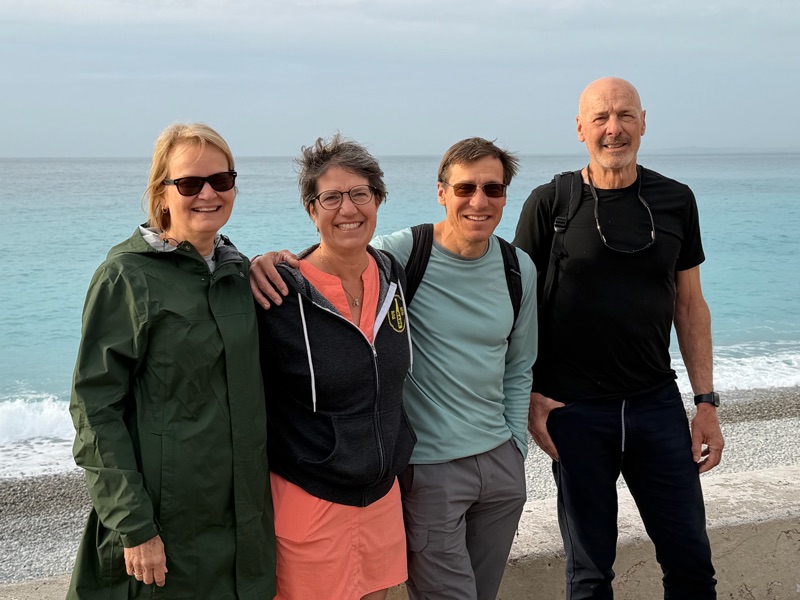 |
| Before the swim |
The water was definitely chilly, and we were in for, at most, a minute. However, even worse than the water temperature was simply getting to and from the water on the damn rocks! My feet apparently are not what they use to be, so walking on the golf ball sized pebbles was not comfortable. A pair of water shoes would have definitely helped. Nevertheless, we felt like a million bucks after the fact and agreed to make this a daily event…
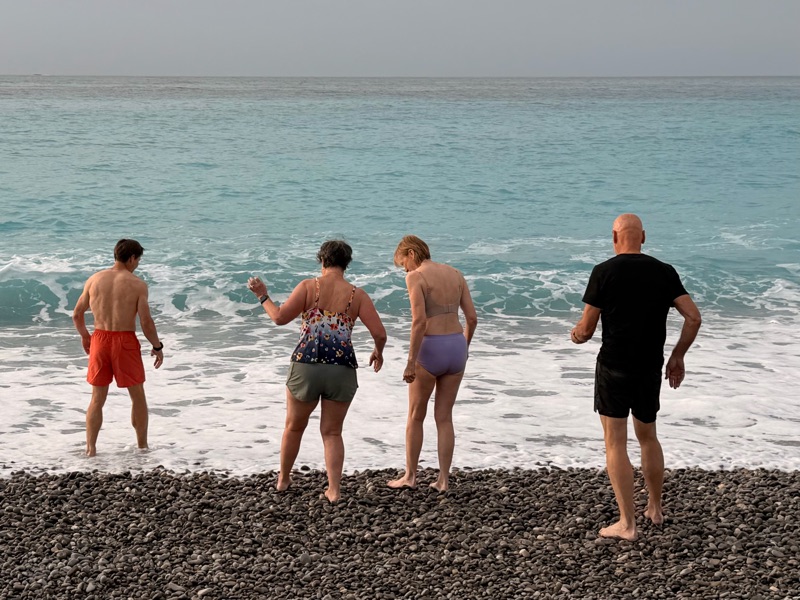 |
| Cold water and hard rocks |
 |
| Are we having fun? |
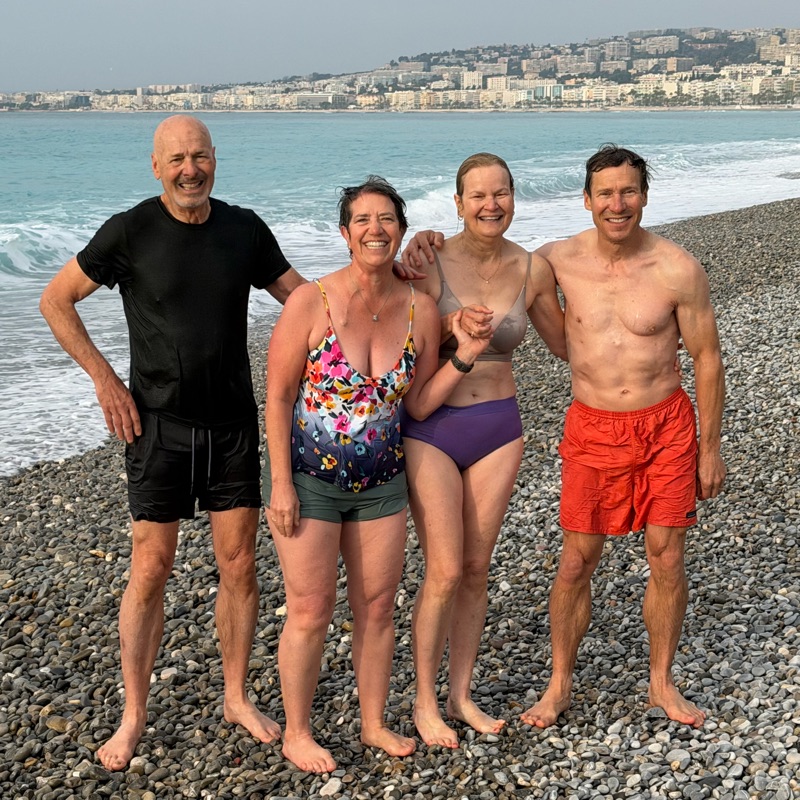 |
| We did it! |
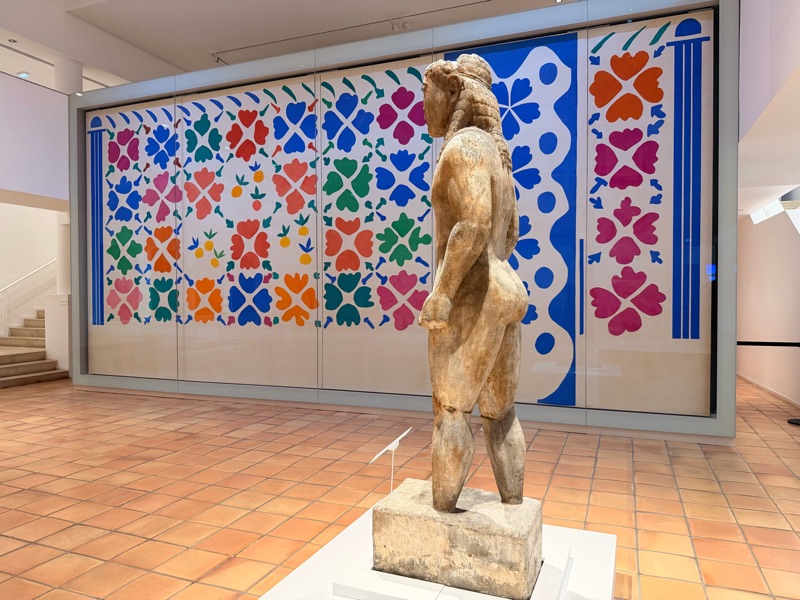
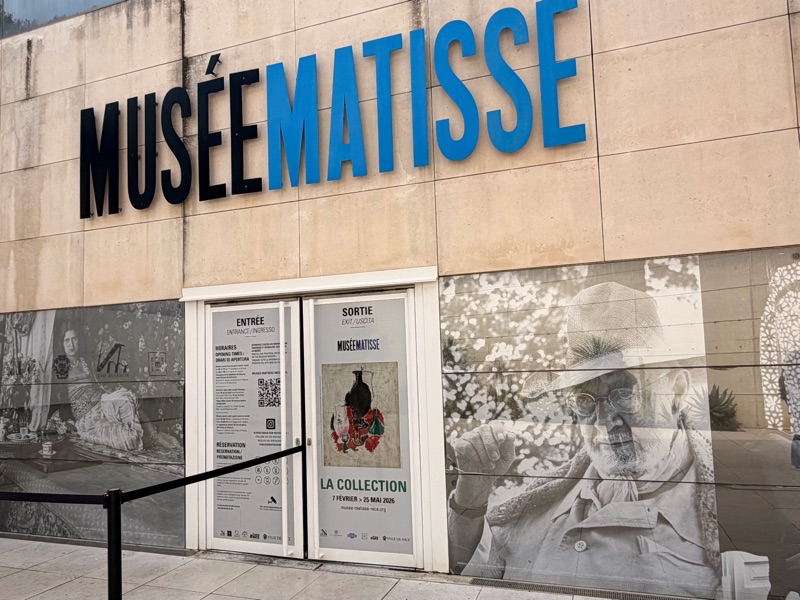
For our daytime excursion, we visited the Matisse Museum again. Somehow, I’d missed the top floor last time Meg and I went, so I got to see that this time.
Because Don, Joan, De Ann, and Steve are scheduled to leave early on Monday, I attempted to make some nice dinner reservations for Saturday night. I didn’t book early enough, so, although I got reservations, dinner didn’t start for us old people until 9:30!
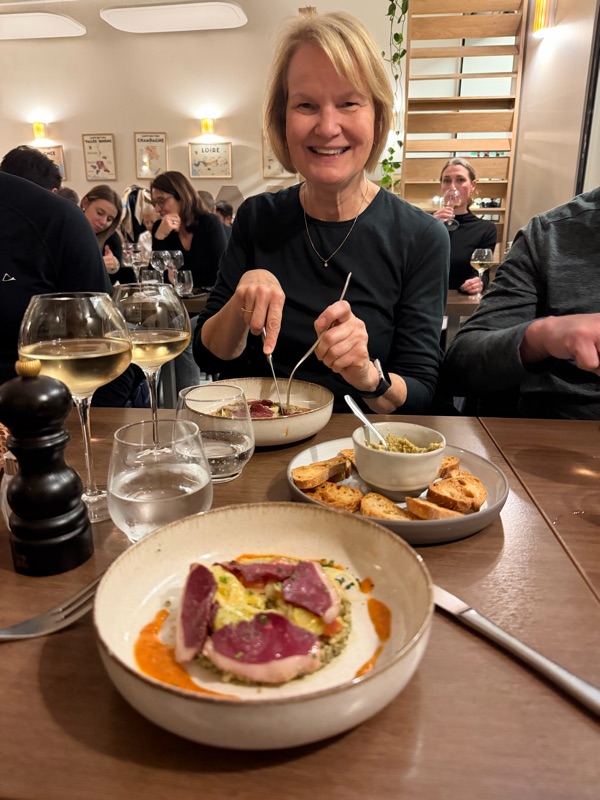 |
| Still tastes good, even after 10 PM |
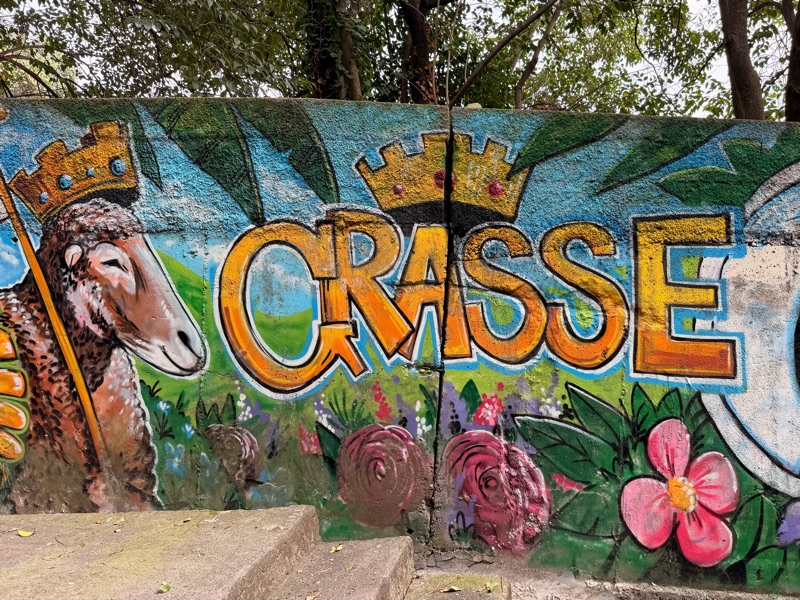
Apparently, the perfume capital of the world is not too far from Nice. So, for our last day together, we took the train into the hills to the town of Grasse. Don, consulting with Chat GPT, learned that for much of the 19th and early 20th century, perfume making was a major industry. Even today, there are 30 perfume makers in and around the town of Grasse.
The actual creation of a perfume or scent require someone with an incredible sense of smell. This person is known as “the nose,” and combine dozens of liquid “essences” to create a new fragrances. The downside of the job is no alcohol, no smoking, and no spicy food!
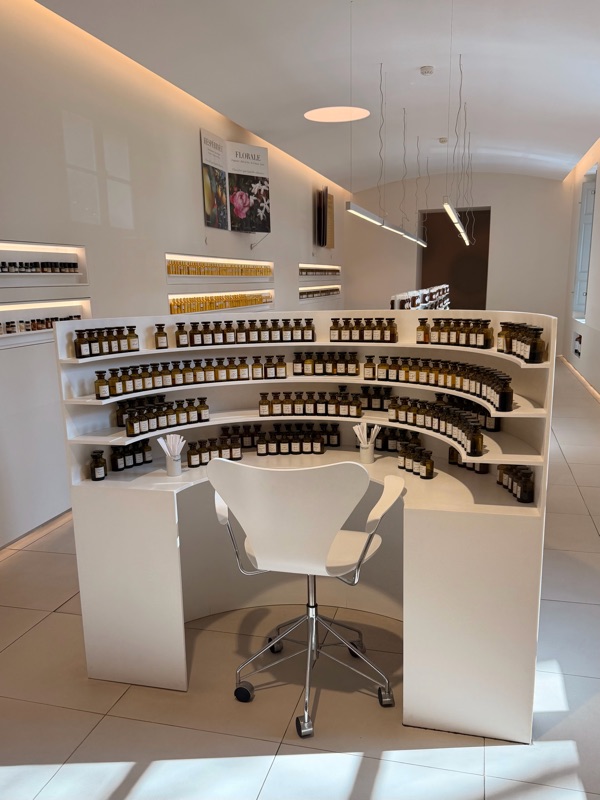 |
| The scent « organ » for creating perfumes |
The traditional method for creating these essences is to heat flowers and water in huge copper kettles and collect the distillate. For flowers that are too fragile to be heated, the flowers are placed on glass plates coated with animal fat. The fat absorbs the scent of the flowers, which are replaced with fresh ones everyday for a month. Eventually, the fat is dissolved to recover the essence.
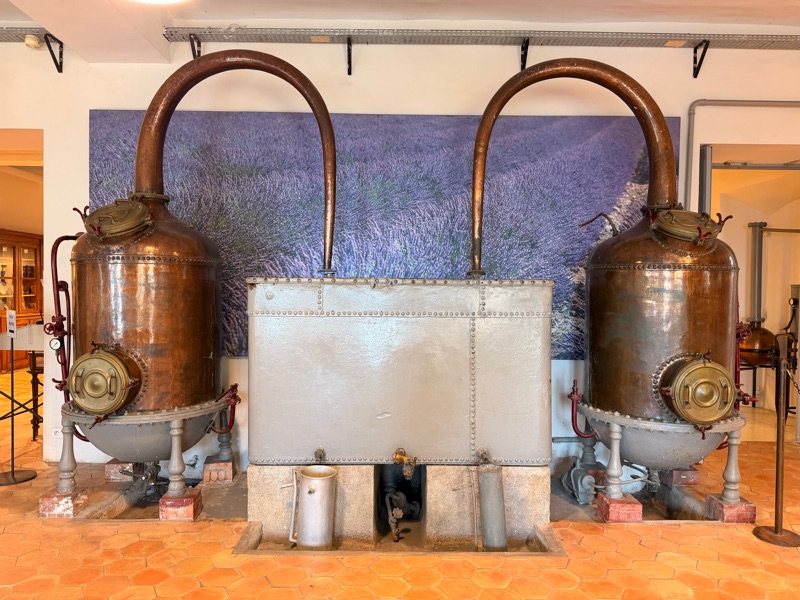 |
| Distillation tanks |
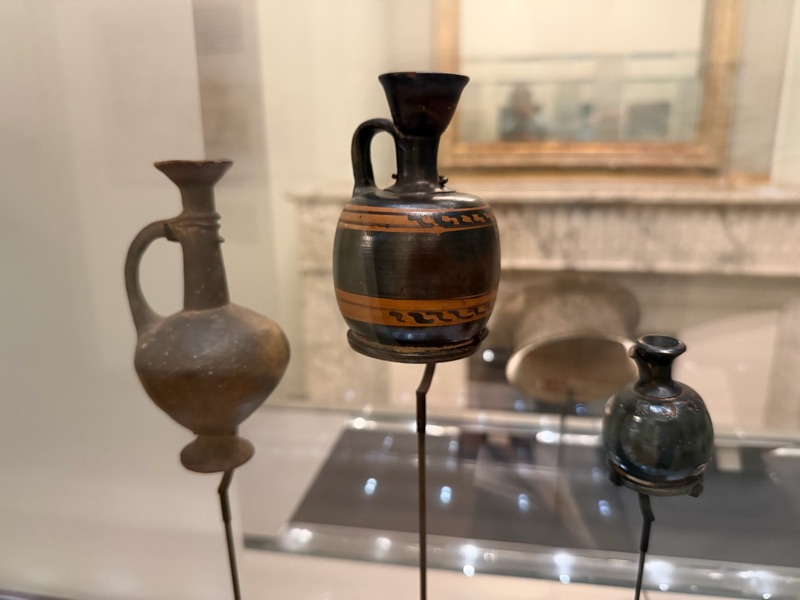 |
| Roman perfume bottles |
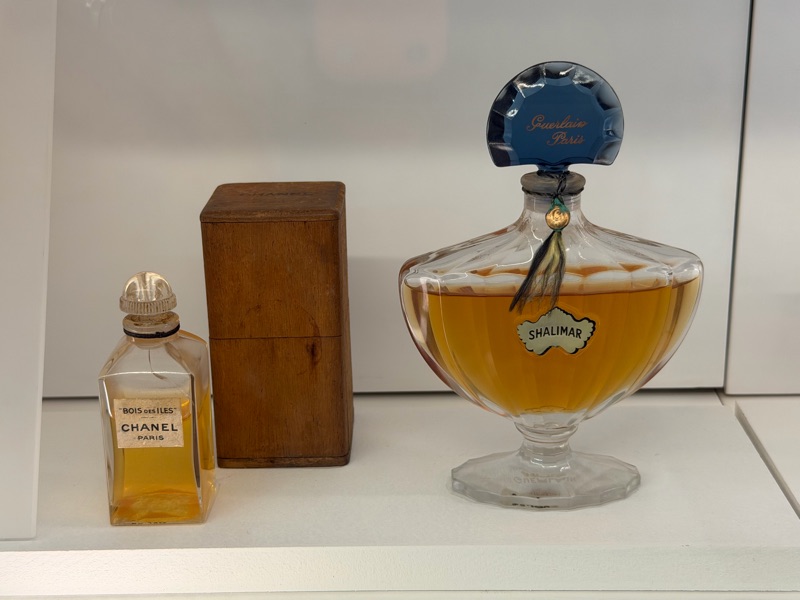 |
| Not Roman perfume bottles |
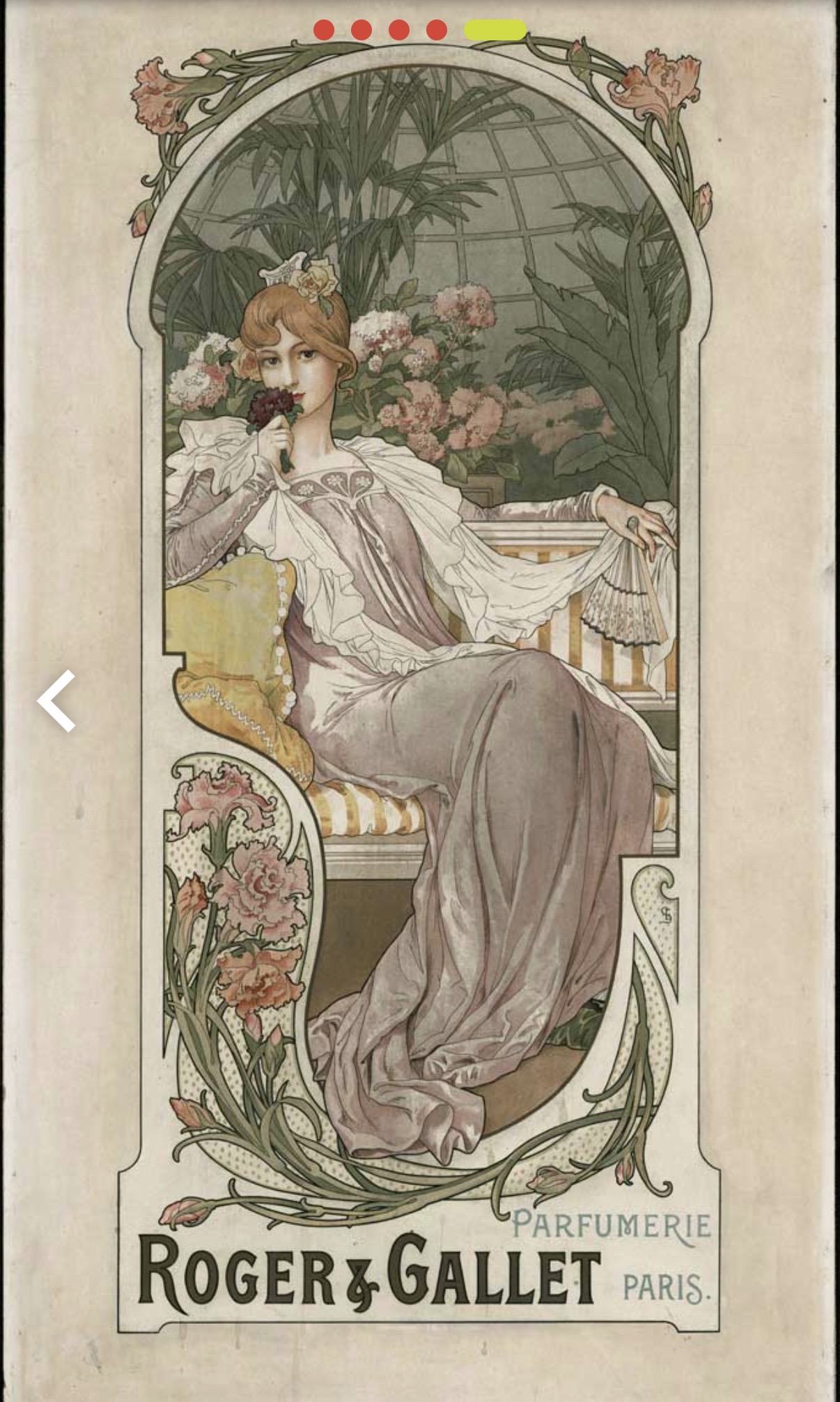 |
| 19th century advertisement |
At the end of the tour, we ended up at a counter and display case where we were able to sample various lotions, oils and perfumes — and of course given the opportunity to invest. No doubt, we left smelling much better than when we arrived!




Comments
Post a Comment